Quality Verification Methods: Professional Glass Railing Spigots Exporter KINGLONG Secures EN 10204 3.1 Certification
WENZHOU, ZHEJIANG, CHINA, October 29, 2026 /EINPresswire.com/ -- In large-scale commercial and residential construction
Press Release Disclaimer: This is a press release distributed through the XPR Media network. It has not been independently verified by our newsroom.
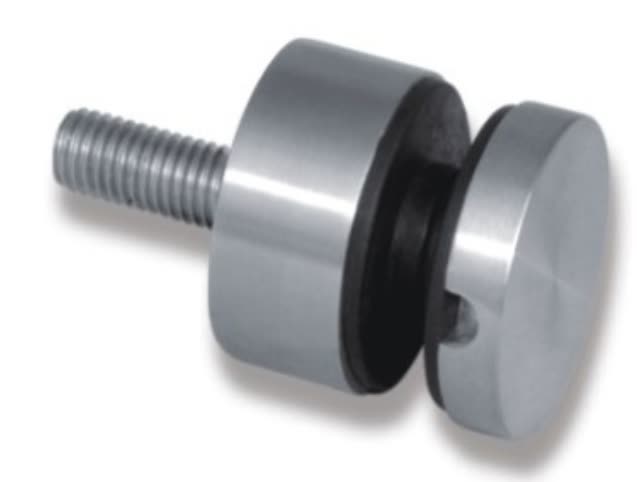

WENZHOU, ZHEJIANG, CHINA, October 29, 2026 /EINPresswire.com/ — In large-scale commercial and residential construction projects, main contractors and structural engineering teams maintain rigorous compliance verification procedures for imported structural hardware. When sourcing components from abroad, project stakeholders routinely require manufacturers to supply verifiable written proof detailing exact material composition and mechanical performance before approving site installation. This documentation requirement forms a critical quality gate within international procurement workflows, preventing structural failures, installation delays, and costly material disputes. As an established professional glass railing spigots exporter, KINGLONG (Zhejiang Kinglong Metal Technology Co., Ltd) provides high-integrity stainless steel hardware designed to withstand demanding load-bearing conditions across varied environmental settings. To support transparent supply chains and satisfy strict architectural specifications, KINGLONG delivers full inspection documentation in accordance with European standard EN 10204 3.1, giving procurement directors and site engineers complete visibility into product metallurgy and factory testing records.
Understanding EN 10204 3.1 Certification in Architectural Hardware
European standard EN 10204 defines the precise criteria for inspection documents requested during the delivery of metallic products. Within this framework, the 3.1 inspection certificate represents a rigorous level of manufacturer-declared testing, requiring the producer to issue formal documentation validated by an inspection representative independent of the manufacturing department. Unlike basic certificates of compliance that merely state a product meets a specification, an EN 10204 3.1 document provides specific test results obtained from the actual manufacturing lot being delivered.
For structural architectural components, this distinction holds significant practical value. The 3.1 inspection report explicitly states the exact chemical composition, such as chromium, nickel, and molybdenum content, alongside measured mechanical properties, including tensile strength, yield strength, and elongation percentages. In addition, the document links these verified figures directly to specific cast heat numbers stamped on the hardware. When structural engineers review an EN 10204 3.1 certificate, they verify that the physical glass railing spigots delivered to the construction site match the exact metallurgical parameters assumed during the structural calculation phase, eliminating reliance on generic factory claims.
Compared to lower certificate tiers like 2.1 or 2.2, which only offer general compliance statements or non-specific mill batch summaries issued by production personnel, the 3.1 certification requires validation from an authorized quality assurance officer working independently from everyday manufacturing operations. This structural separation ensures that testing metrics reflect true quality control data rather than sales claims, providing project managers with genuine material assurance.
Systematic Inspection Workflows at KINGLONG
Maintaining consistent compliance with EN 10204 3.1 requirements demands structured quality assurance protocols across every production stage. Operating as a specialized manufacturer and glass railing spigots exporter, Zhejiang Kinglong Metal Technology Co., Ltd manages integrated processes encompassing industrial design, precision investment casting, CNC machining, surface finishing, and global distribution. To ensure each production lot satisfies international architectural expectations, KINGLONG implements a multi-stage testing framework that captures precise metallurgical data from raw ingot melting to final surface treatment.
During the initial foundry stage, raw stainless steel heats are logged and sampled using optical emission spectrometers to verify chemical compositions, ensuring grade 304 and marine-grade 316 alloys adhere to international standards. Following precision investment casting, glass railing spigots undergo systematic dimensional inspections using digital coordinate measurement equipment to maintain tight tolerances for frameless glass panel fitment. Mechanical testing laboratories then evaluate representative samples from each heat batch, performing tensile loading, yield strength analysis, and salt spray corrosion resistance tests. Because KINGLONG maintains strict heat-lot segregation throughout machining and mirror or satin polishing, inspection teams record and preserve all test data. This enables the factory to issue authentic EN 10204 3.1 certificates that mirror the exact physical hardware shipped to international job sites.
Practical Value of Traceable Documentation in the Supply Chain
Sourcing verified hardware offers direct operational advantages for commercial importers, hardware wholesalers, and project managers. Obtaining complete EN 10204 3.1 documentation simplifies several critical steps along the international distribution chain:
Customs Clearance and Regulatory Compliance: Customs authorities and local building compliance officers in overseas markets frequently request certified material origins for structural metal imports. Presenting batch-specific test reports minimizes border hold-ups and avoids re-testing expenses at port labs.
Simplified On-Site Quality Inspections: Structural consultants can compare physical heat numbers on hardware directly against the EN 10204 3.1 certificate, streamlining site sign-offs without requiring destructive sample testing.
Long-Term Risk Management: In the event of extreme weather or site environmental stress, documented chemical profiles provide verifiable proof that installed components met required corrosion and load resistance standards upon delivery.
By working with an experienced glass railing spigots exporter like KINGLONG, commercial procurement teams secure predictable delivery cycles paired with fully documented quality records. This structured verification method reduces material substitution risks and protects project timelines.
Ensuring Structural Reliability for Global Architecture
As modern architectural designs continue to favor frameless glass installations across commercial balconies, public staircases, and residential perimeters, verifying structural hardware integrity remains a foundational requirement. Through rigorous material testing, heat-lot tracking, and complete EN 10204 3.1 documentation, Zhejiang Kinglong Metal Technology Co., Ltd provides international buyers with transparent quality assurance for stainless steel fittings.
To meet evolving engineering specifications in high-density urban environments, technical teams evaluate localized wind load pressures and coastal atmospheric conditions prior to hardware deployment. By aligning precise alloy formulations with verified tensile load capacity, KINGLONG supports complex structural requirements while simplifying multi-jurisdictional compliance audits for overseas developers, contracting agencies, and global architectural hardware procurement networks.
To learn more about certified architectural hardware lines, technical product specifications, or engineering project portfolios, please visit the official website: http://www.kinglonghardware.com/
KINGLONG
KINGLONG
Legal Disclaimer:
EIN Presswire provides this news content “as is” without warranty of any kind. We do not accept any responsibility or liability
for the accuracy, content, images, videos, licenses, completeness, legality, or reliability of the information contained in this
article. If you have any complaints or copyright issues related to this article, kindly contact the author above.

Media gallery