
Chinese Neurosurgical Journal Reviews Explore Blood–Brain Barrier-Aware Nanomedicines for Glioblastoma
Stimuli-responsive and biomimetic nanomedicines designed to cross the blood–brain barrier may represent the next
Press Release Disclaimer: This is a press release distributed through the XPR Media network. It has not been independently verified by our newsroom.
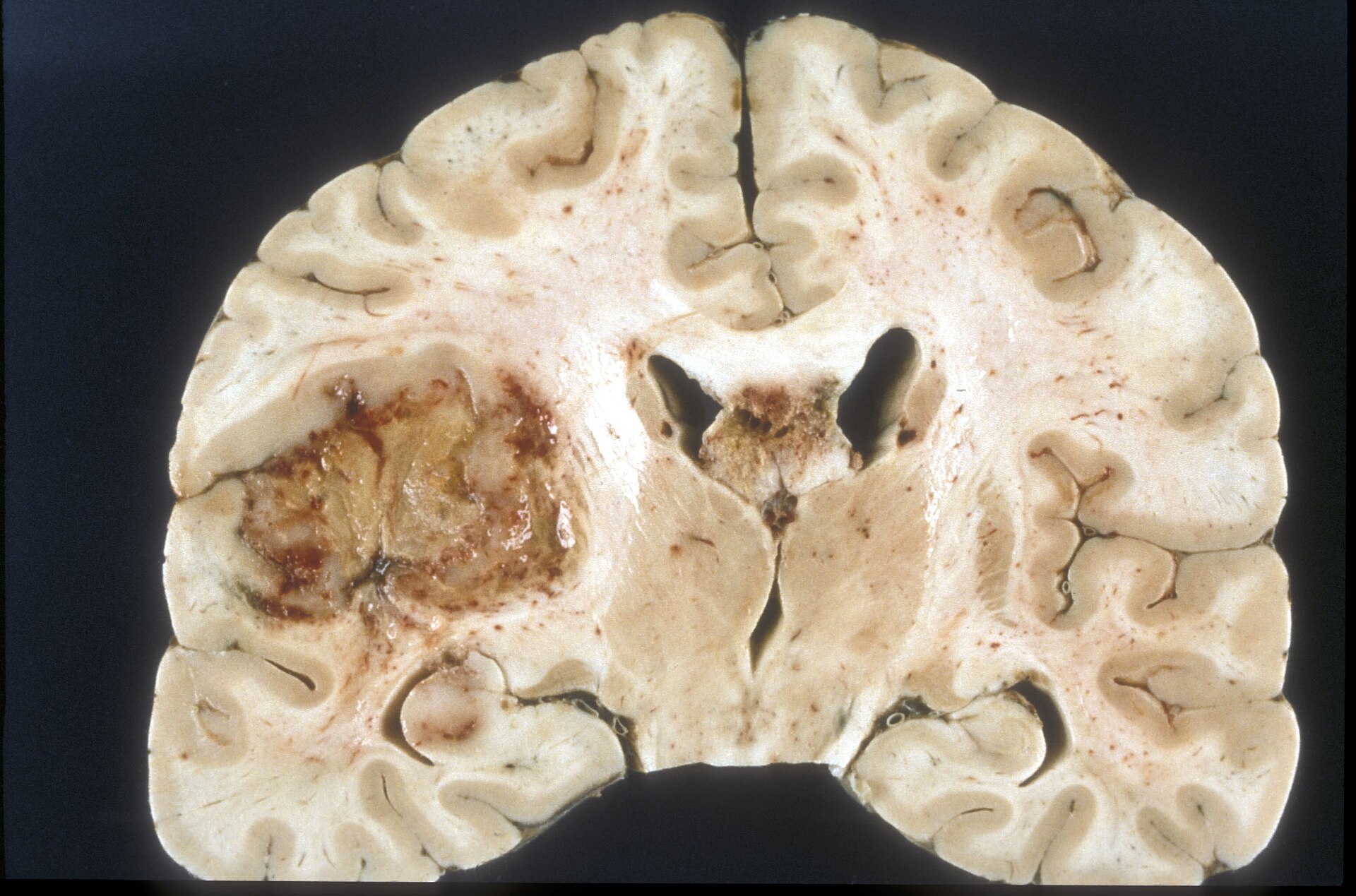

Stimuli-responsive and biomimetic nanomedicines designed to cross the blood–brain barrier may represent the next frontier in glioblastoma treatment
CHINA, August 12, 2026 /EINPresswire.com/ — The inability of most therapies to penetrate the blood–brain barrier is a major obstacle contributing to the poor prognosis of glioblastoma. A new review examines next-generation nanomedicines, including stimuli-responsive, biomimetic nanoparticles, that are being engineered to transport therapeutics directly into brain tumors. The authors discuss advances in brain-targeting strategies, externally activated therapies, and biomimetic platforms while outlining the challenges that must be overcome before these technologies can achieve widespread clinical use.
Glioblastoma (GBM), the most common and aggressive primary malignant brain tumor in adults, continues to have a poor prognosis despite decades of advances in surgery, radiotherapy, and chemotherapy. Even with current standard treatment, patients typically survive only 14–15 months after diagnosis.
One of the greatest obstacles is the blood–brain barrier (BBB), which prevents the vast majority of drugs from reaching tumor tissue at therapeutic concentrations. While the tumor core may exhibit regions of increased vascular permeability, infiltrative tumor margins often retain an intact BBB, resulting in uneven drug distribution, treatment resistance, and tumor recurrence. To mitigate this treatment gap, recent research has focused on the use of nanomaterial-based drug delivery to increase treatment efficacy by facilitating drug delivery across the BBB.
A comprehensive review published in Volume 12 of the Chinese Neurosurgical Journal on July 01, 2026, explores the latest generation of BBB-aware nanotherapeutic platforms designed to transport drugs across the BBB and the closely related blood–brain tumor barrier (BBTB), enabling more precise and effective treatment of GBM. The collaborative study was led by Dr. Xueqiong Su from Beijing University of Technology, Professor Yujun Song from University of Science and Technology Beijing, and Dr. Hao Wang from Capital Medical University. “Our review outlines the clinical challenges in GBM therapy and examines how targeted, stimuli-responsive, biomimetic nanomedicines overcome these obstacles to improve treatment outcomes,” explained Prof. Song.
Unlike conventional chemotherapy, nanomedicines can be engineered to improve drug stability, extend circulation time, protect fragile therapeutic molecules, and release their cargo selectively within tumors. The review discusses a broad range of nanocarriers, including lipid-based nanoparticles, polymeric nanoparticles, dendrimers, inorganic nanomaterials, and biomimetic systems that imitate natural cells or lipoproteins to evade immune detection and improve brain targeting.
The authors describe several complementary strategies for overcoming the BBB. Passive targeting exploits the enhanced permeability and retention (EPR) effect, while active targeting equips nanoparticles with ligands that recognize receptors highly expressed on BBB endothelial cells or glioblastoma cells, such as transferrin receptors, low-density lipoprotein receptor-related protein (LRP1), different nutrient transporters, and tumor cell markers. These approaches improve nanoparticle transport into the brain and increase drug accumulation within tumors.
Another major focus of the review is stimuli-responsive nanomedicine. These smart delivery systems remain stable during circulation but release their therapeutic payload only when exposed to specific internal conditions, such as acidic pH or elevated oxidative stress, or external triggers including near-infrared light, magnetic fields, ultrasound, and heat. Such spatiotemporal control maximizes tumor-specific cytotoxicity and minimizes off-target effects on surrounding healthy brain tissue.
Beyond drug delivery, nanoparticles are increasingly being designed to perform multiple therapeutic functions simultaneously. Some generate localized heat through magnetic hyperthermia or photothermal therapy, while others produce reactive oxygen species for photodynamic or sonodynamic therapy. Several platforms can also deliver nucleic-acid therapeutics, expanding treatment options beyond conventional chemotherapy.
The review also highlights encouraging early clinical progress. Technologies, such as NanoTherm®, an iron oxide-based magnetic hyperthermia system, and NU-0129, a gold nanoparticle-based RNA interference therapy capable of crossing the human BBB, demonstrate that advanced nanomedicines are beginning to translate from laboratory research into clinical testing.
The authors also emphasize the challenges. “Long-term safety, scalable manufacturing, regulatory approval, and consistent performance across patients must all be addressed before nanomedicine becomes a routine component of glioblastoma treatment,” explained Dr. Wang.
The review study also discusses emerging opportunities, including biomimetic delivery systems, multifunctional nanoparticles, and artificial intelligence-assisted nanomaterial design, which could accelerate the development of more personalized therapies.
Overall, the study presents BBB-aware nanomedicine as one of the most promising strategies for overcoming one of neuro-oncology’s greatest therapeutic barriers. By combining targeted drug delivery with intelligent, stimuli-responsive technologies, these next-generation platforms could reshape the treatment landscape for patients with glioblastoma.
***
Reference
Title of original paper: BBB-aware stimuli-responsive and biomimetic nanomedicines for glioblastoma
Journal: Chinese Neurosurgical Journal
DOI: https://doi.org/10.1186/s41016-026-00438-6
About Chinese Neurosurgical Journal
The Chinese Neurosurgical Journal is an international, peer-reviewed, open-access journal dedicated to advancing clinical practice and research across all areas of neurosurgery. As the official journal of the Chinese Neurosurgical Society, it publishes cutting-edge studies on neurosurgical techniques, neuro-oncology, cerebrovascular disease, trauma, spinal disorders, and emerging neuroscience trends. The journal emphasizes clinically relevant innovations that improve patient outcomes, surgical decision-making, and multidisciplinary care worldwide. Indexed in major databases including PubMed Central, Scopus, and DOAJ, it ensures high visibility and accessibility for global researchers and clinicians while promoting collaboration, education, and knowledge exchange across disciplines in neurological science.
Website: https://cnjournal.biomedcentral.com/
About University of Science and Technology Beijing
The University of Science and Technology Beijing (USTB) is a national research university founded in 1952, recognized for excellence in materials science, engineering, physics, and interdisciplinary research. Its Center for Modern Physics Technology and Center for Green Innovation promote cutting-edge research in functional materials, nanotechnology, energy, and biomedical applications. USTB actively fosters collaborations across engineering, physics, medicine, and life sciences to develop innovative technologies addressing global scientific and healthcare challenges.
Website: https://www.ustb.edu.cn/
About Beijing University of Technology
Founded in 1960, Beijing University of Technology (BJUT) is a comprehensive public research university, renowned for its strengths in engineering, materials science, physics, information technology, and applied sciences. BJUT advances graduate education by combining rigorous scientific standards with hands-on experience through large-scale team projects and research platforms. The university uses a specialized training and management framework designed to ensure professional degrees meet official standards while maintaining unique institutional features. Additionally, BJUT is executing international development strategies to boost its global presence.
Website: https://english.bjut.edu.cn/
About Capital Medical University
Capital Medical University, Beijing, China, was founded in 1960. The main campus of the school has 12 colleges and 2 research centers. The school also has 41 clinical colleges and departments, and 40 clinical diagnosis, treatment and research centers. Its multidisciplinary teams work closely with scientists and engineers to accelerate the development of innovative technologies and precision therapies that improve outcomes for patients with complex neurological diseases.
Website: https://www.ccmu.edu.cn/
About Dr. Xueqiong Su from Beijing University of Technology
Dr. Xueqiong Su is a Lecturer in the School of Physics and Optoelectronic Engineering at Beijing University of Technology, China. Her research centers on inorganic nanomaterials, optoelectronic materials, thin-film technologies, and functional nanodevices, with growing applications in biomedical nanotechnology. She has published widely on quantum dots, perovskite materials, and nanostructured functional materials, while also contributing to interdisciplinary studies involving nanomedicine and cancer therapy. Dr. Su has received several teaching and research awards and is actively involved in developing innovative nanomaterials for advanced optical, electronic, and biomedical applications. She has contributed in over 50 published research articles till date.
About Professor Yujun Song from University of Science and Technology Beijing (USTB)
Dr. Yujun Song is a researcher and professor at the Center for Modern Physics Technology, Center for Green Innovation, School of Mathematics and Physics, University of Science and Technology Beijing (USTB), China. His research focuses on nanomedicine, biomaterials, functional nanomaterials, and advanced drug delivery systems for biomedical applications. He leads multidisciplinary research integrating materials science, physics, and nanotechnology to develop innovative therapeutic strategies for cancer and other complex diseases. Prof. Song has published over 130 highly cited research articles till date.
About Dr. Hao Wang from Capital Medical University
Dr. Hao Wang is a neurosurgeon and researcher at Beijing Tiantan Hospital, Capital Medical University, China, one of the country’s leading neurological centers. His clinical and research interests include neuro-oncology, cerebrovascular diseases, and translational neurosurgery, with a focus on developing innovative therapeutic strategies for challenging neurological disorders. Dr. Wang has contributed to numerous multidisciplinary studies spanning neurosurgery, brain tumor research, and emerging biomedical technologies. Through collaborations with materials scientists and nanotechnology researchers, he supports the translation of advanced therapeutic platforms into clinically relevant approaches for patients with malignant brain tumors.
Funding information
This work is supported by National Natural Science Foundation of China (No. 52471259 and 51971029), Beijing Natural Science Foundation (No. L244028), Ningxia Hui Autonomous Region Central Government-Guided Local Science and Technology Development Special Fund (No. 2024FRD05095), Major Project of the 2026 Key Research and Development Program of Ningxia (No. 2026BEG01001). The authors from USTB also appreciate the project support of Ningxia Hui Autonomous Region Central Government-Guided Local Science and Technology Development Special Fund through the General Hospital of Ningxia Medical University (Fund No. in USTB: 39080171) and the “1125” Zhihui Zhengzhou Talent project of Henan Province (Fund No. in USTB: 39080070).
Yi Lu
Chinese Neurosurgical Journal
1059978478 ext.
email us here
Legal Disclaimer:
EIN Presswire provides this news content “as is” without warranty of any kind. We do not accept any responsibility or liability
for the accuracy, content, images, videos, licenses, completeness, legality, or reliability of the information contained in this
article. If you have any complaints or copyright issues related to this article, kindly contact the author above.

Media gallery


